
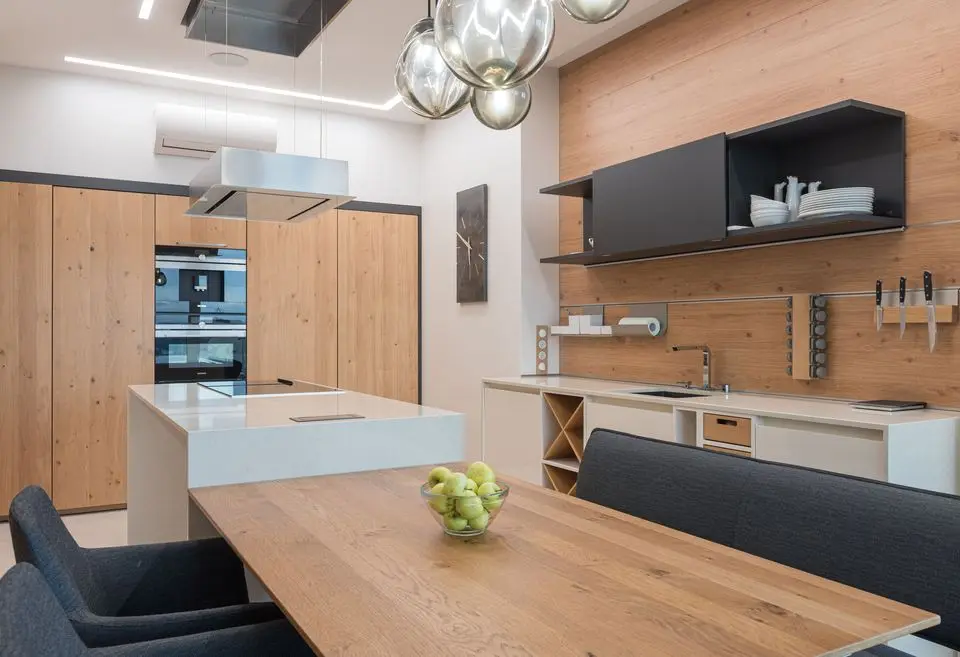
Overcapitalising is spending more on a renovation than the home can give back, either in value when you sell or in use while you live there. It happens quietly. A few upgrades, a change of plan mid-job, a kitchen that would suit a house twice the price. Here are ten habits that keep the spend in proportion.
1. Know the ceiling for your street
Every street has a price range buyers will pay, and a renovation cannot push a house far above it. Before you plan, look at what similar homes nearby have sold for, renovated and unrenovated. The gap between them is roughly the room you have to work in. Spend inside it.
2. Decide why you are renovating
Renovating to live there for fifteen years is a different brief from renovating to sell in two. The first can justify things you love that no buyer will pay for. The second cannot. Be honest about which one this is, and let it decide the budget.
3. Fix the things that put buyers off first
A tired bathroom, rotten deck boards, a leaking laundry tap, peeling paint on the weatherboards. These cost a sale more than a fancy kitchen wins one. Deal with them before anything decorative. A sound, dry, tidy house is the base that everything else sits on.
4. Keep the footprint
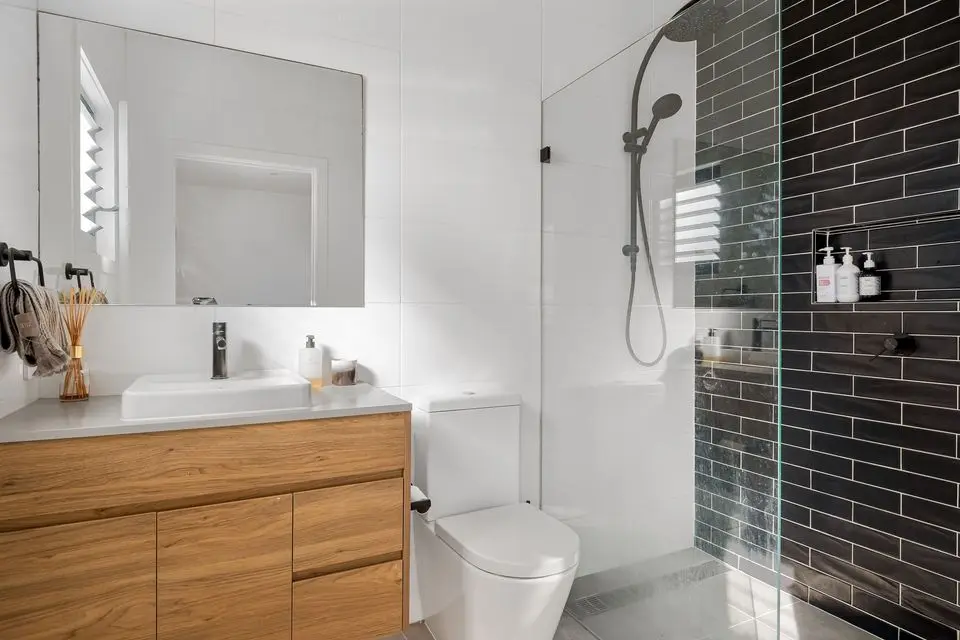
Moving walls, shifting plumbing and adding floor area are where renovation costs jump. Working within the existing structure keeps you out of consent processes and keeps the trades to a minimum. Most homes have poorly used space already. Use it before you add any.
5. Spend on what people see and touch
Benchtops, tapware, flooring, door handles, the front door, the deck boards. People form their view of a house in the first two minutes, mostly through what they see and what they touch. Put the money there, and choose durable mid-range over fragile top-end.
6. Get the scope and price fixed before you start
Overcapitalising is often just a budget that never had edges. Get the job scoped in writing with a fixed price wherever possible, allowances stated as figures, and a clear process for variations. Owen works this way on renovations in Whangārei for exactly this reason: the client knows the number before the wall comes down. Above $30,000 a written contract is required anyway, and MBIE explains what it must cover.
7. Make choices early
Changing the tile after the tiler has started, or the vanity after the plumber has roughed in, costs twice. Choose fixtures and finishes before the job starts, and have them on site before they are needed. Delays while something is on back order are also money.
8. Avoid the while-we-are-here extras
Each extra seems small. Write it down instead of saying yes, price it properly, and decide at the end of the week. Most of the list will not survive a night of thinking about it.
- Does it change what a buyer would pay, or just what I would enjoy?
- Would I pay for this as a separate job next year?
- Is it cheaper now only because the trades are here, or is it cheaper now because I have stopped looking at the total?
9. Add outdoor living, in proportion
In Whangārei the outdoor space is part of the house for most of the year. A well-built timber deck that connects the living room to the garden is one of the better-value additions a home can get, because it adds usable space without adding a room. Keep it in scale with the house and the section. A deck the size of the lawn is not an upgrade.

10. Finish properly
A half-finished renovation is worth less than no renovation. Missing skirtings, unpainted trims, a ceiling hatch left as a hole. Budget for the finishing from the start and have the builder price it as part of the scope, not as a stage you will get to later.
The short version on avoiding overcapitalising
Know the ceiling. Be clear on why. Fix what puts people off, keep the footprint, spend on what people see, fix the price, choose early, resist extras, add outdoor space in proportion, and finish. Ten things, none of them complicated.
If you want a second opinion on where the money should go in a Whangārei home, send Owen the details. The quick renovations that add value article is a useful companion to this one.
Questions on this topic
What does overcapitalising mean when renovating?
Spending more on improvements than they add to the value or usefulness of the home. The money is not recovered on sale and often does not change how the house is lived in.
Which renovations are most likely to overcapitalise?
Large extensions on small sections, top-end kitchens in mid-range streets, swimming pools, and anything that moves structure or plumbing without a clear reason.
How do I work out my renovation ceiling?
Compare recent sales of similar renovated and unrenovated homes in your area. The difference is a rough guide to the most a renovation can add.
Does a deck add value to a house in Whangārei?
A well-built deck in proportion to the house generally adds usable living space and appeal. It is one of the lower-cost ways to improve how a home works in a climate where outdoor living is year-round.